


I’ve been meaning to write this newsletter for weeks. The idea was to start clean, structure it well, go lesson-by-lesson, maybe even have 8–10 issues lined up to stay consistent.
But you know how that goes: endless prep becomes procrastination. So, I’m saying, "Fuck it. I’ll just start."
Every now and then (this is going to be way more frequent than my usual monthly newsletter), I’ll show up here: share what I built, what I broke, what I explored technically, especially from the lens of someone who didn’t grow up coding.
And the best part is: week by week, I’m getting deeper into tools, workflows, and code. And if you stick around, I’ll make it worth your time.
This week’s deep dive: AI Audio/ Video
For the longest time, I ignored AI-generated video and voice tools. They felt... fake, to be very polite. Glitchy. Easy to spot, especially if you work with videos, audio, or actual creators.
Whenever I came across an AI-generated piece of content, I would think to myself, “Humans with cameras are still far better.”
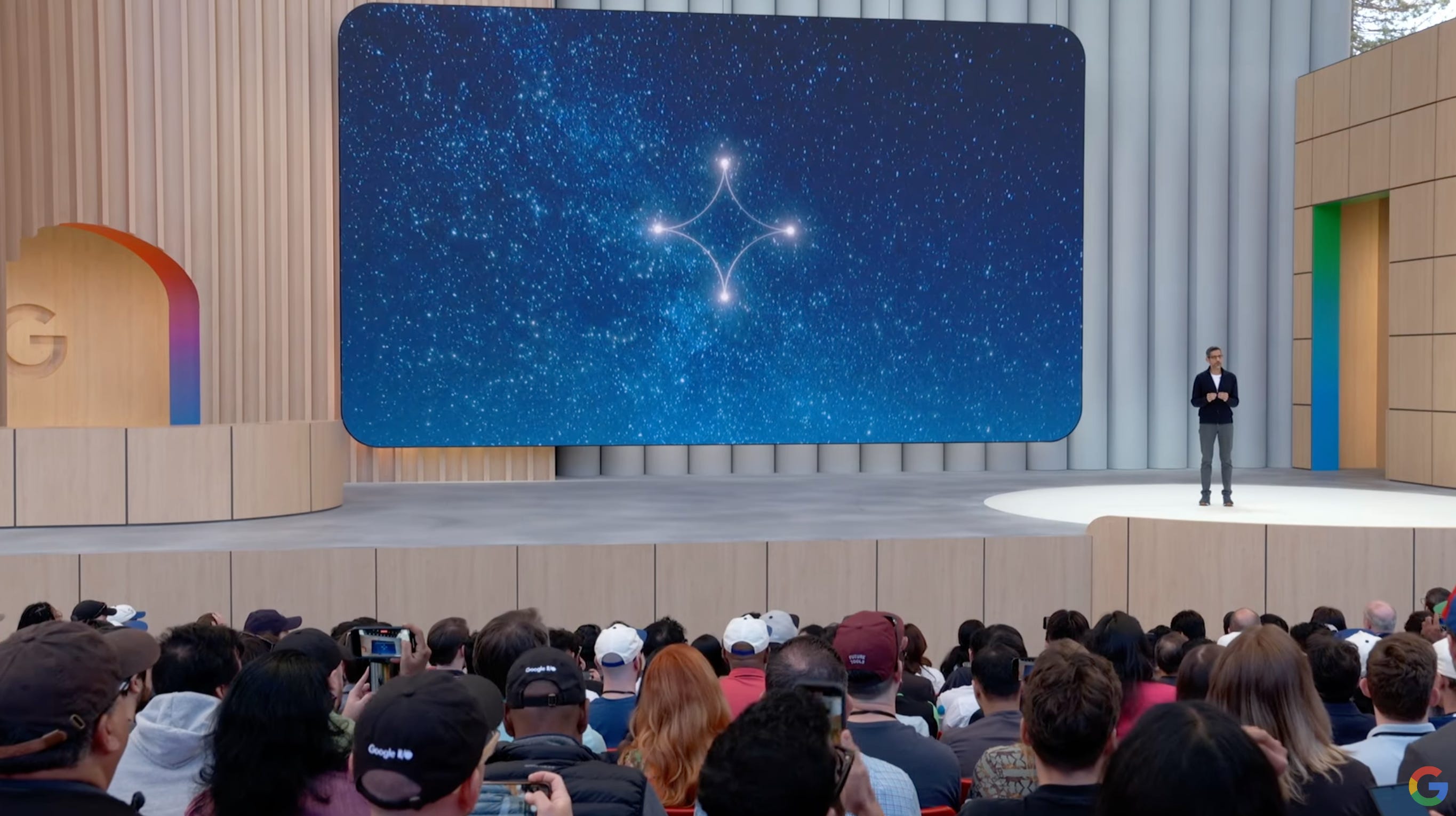
But then came the Google I/O event. When Veo3 launched and I saw those insane, physics-rich, audio-synced, near-Hollywood-level animations being made in seconds, something clicked. And now it's available for everyone to use, at least in the US. In India, I've only seen people asking each other for access, but I don't think we've got it yet.
This time, however, the voice in my head was saying something completely different: 'Bro, this isn't gimmicky anymore. This is real.' That was the moment when I truly believed that AI video could be huge.
I’ve been a fan of ElevenLabs for a while, too. Specifically, I created a channel for my previous employer called 'Terminal'. The idea was simply to tell stories about tech successes and failures, with a myth debunked at the end.
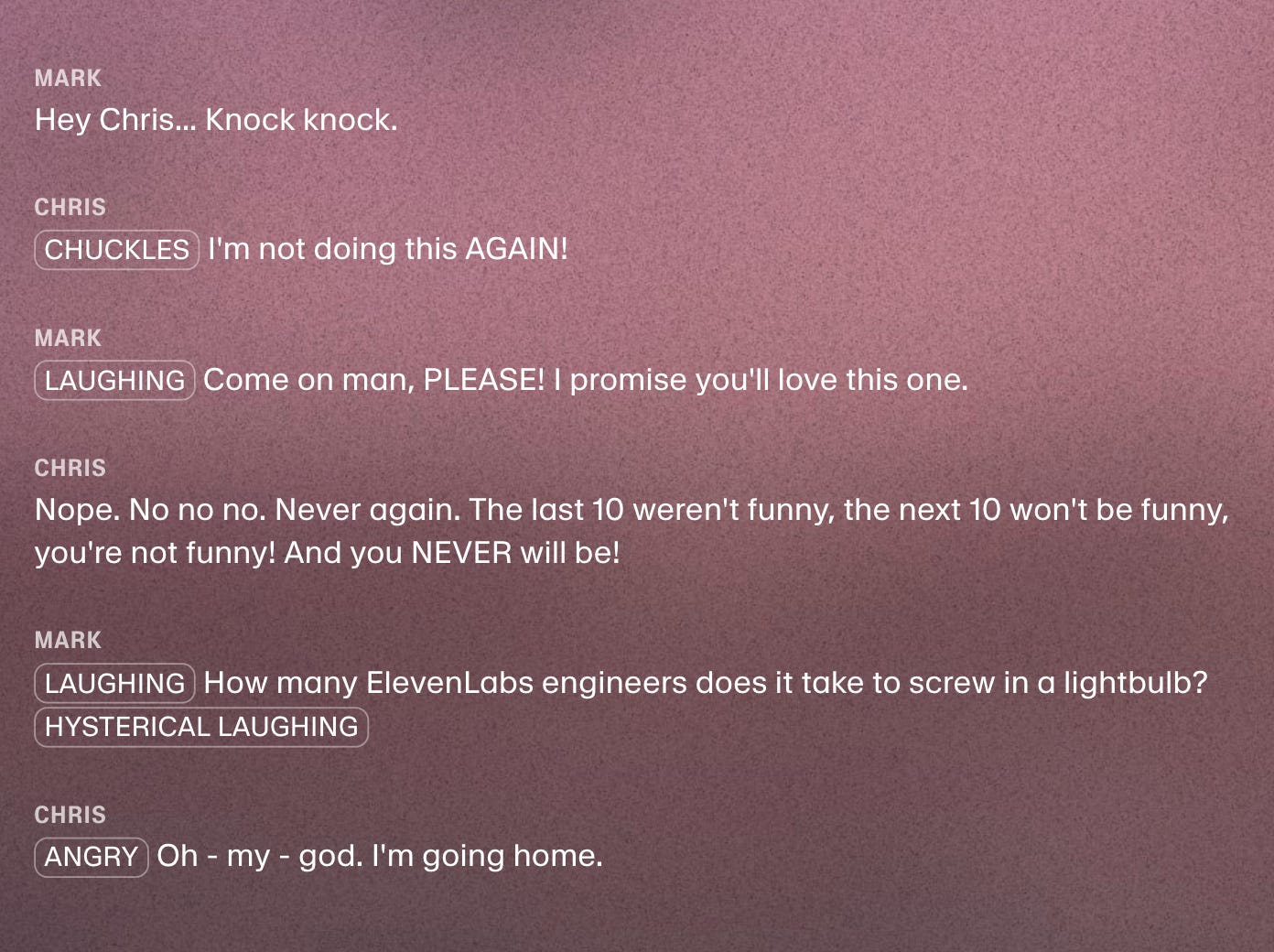
We leaned heavily on ElevenLabs to automate the audio, though it had its limitations. But the new “Eleven v3” update is honestly wild. It feels like it could replace an entire team of human voiceover artists.
This version gives you precise control over emotion, pauses, delivery, even sound direction. And the jump from 29 to 70 languages is a massive upgrade, especially considering there’s a team in India (won’t name names, but they’re considered the flagbearers of AI here) that’s building just for cultural adaptations like this.
It’s surprising how casually ElevenLabs announced something so significant, especially given how much capital others have raised to solve this exact problem. Not a criticism, and maybe it's apples to oranges, but it does make you wonder what their larger game plan is.
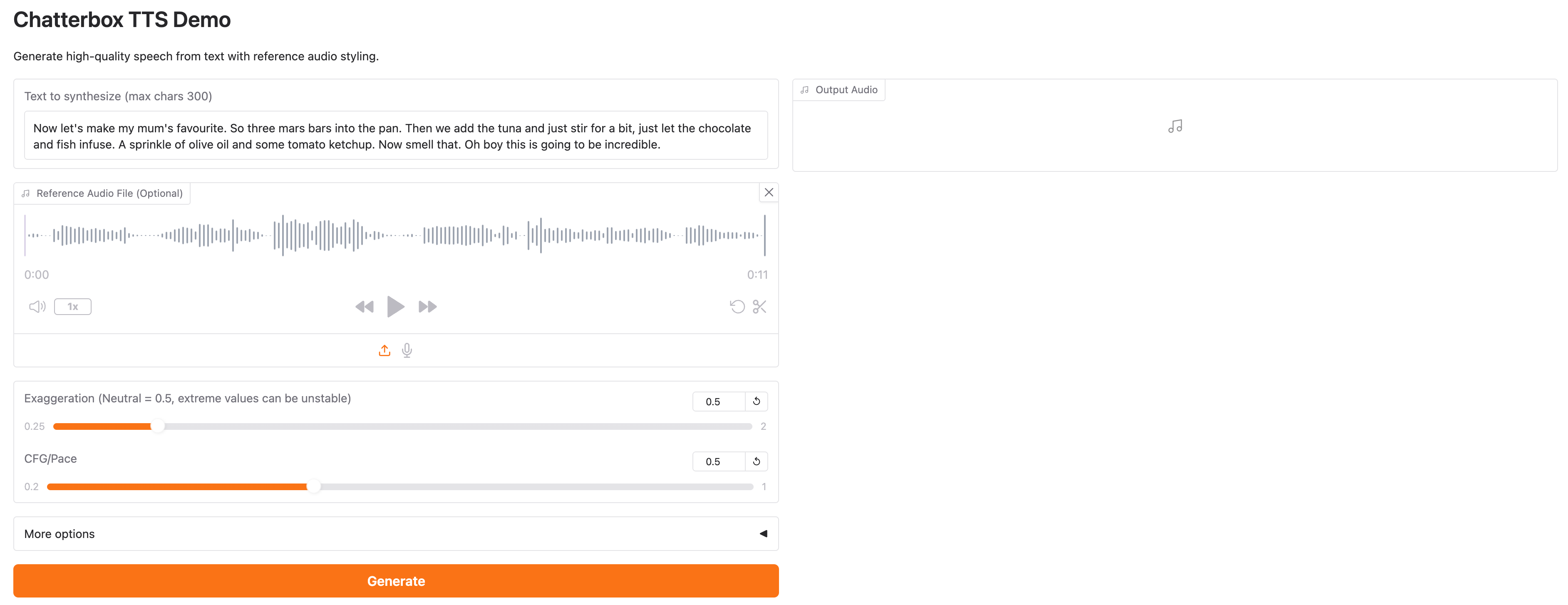
Then, last week, I found this open-source tool on Hugging Face called Chatterbox. And while I was happy with ElevenLabs, I gave it a spin. Cloned my friend’s voice. Then my client’s. And I just sat there like, “Wait. This is really good. And totally free.”
So now I’m thinking:
Voice is already there.
Video is almost there.
Together, they’re catching up fast. And they’re doing serious magic now.
How Mirage Blew My Mind
Mirage isn’t just “generate audio” or “generate video.” It’s an AI studio in your browser. I uploaded an old script, just pasted it in.
It generated clean, realistic voice. No robotic tone, no weird cadence.
Then it asked: “Want to pick a character?” I gave it a vibe description. It generated a human that actually fit that vibe. Felt like auditioning actors... on autopilot.
And then? It stitched everything together. Voice + visuals + character animations, no timeline, no editor. Genuinely one of those “woah” moments. And if you wanna give your AI YouTuber a spin, this is one of the best tools out there right now.

What else I’ve been diving into this week:
This guy talks to everyone building AI seriously. Pick any of his episodes, you’ll see how deep these convos go, and how much they talk about actual progress and not just anything to invoke extreme emotions like Indian podcasters do.
And he made an argument that AI sucks at doing continual learning like a human, and he’d pick humans over AI for most things as training humans actually has a return on investment and that investment mostly would be time. Which is so true.I don't have any notes to share as such, as I am still reading this one. I want you to take a look at the article yourself, as it's not worth summarising in a newsletter paragraph. However, I will tell you what it is all about: a few researchers from the best AI labs came together and wrote this piece about where we could be in the race to AI in 2027. It's both scary and fun to read.
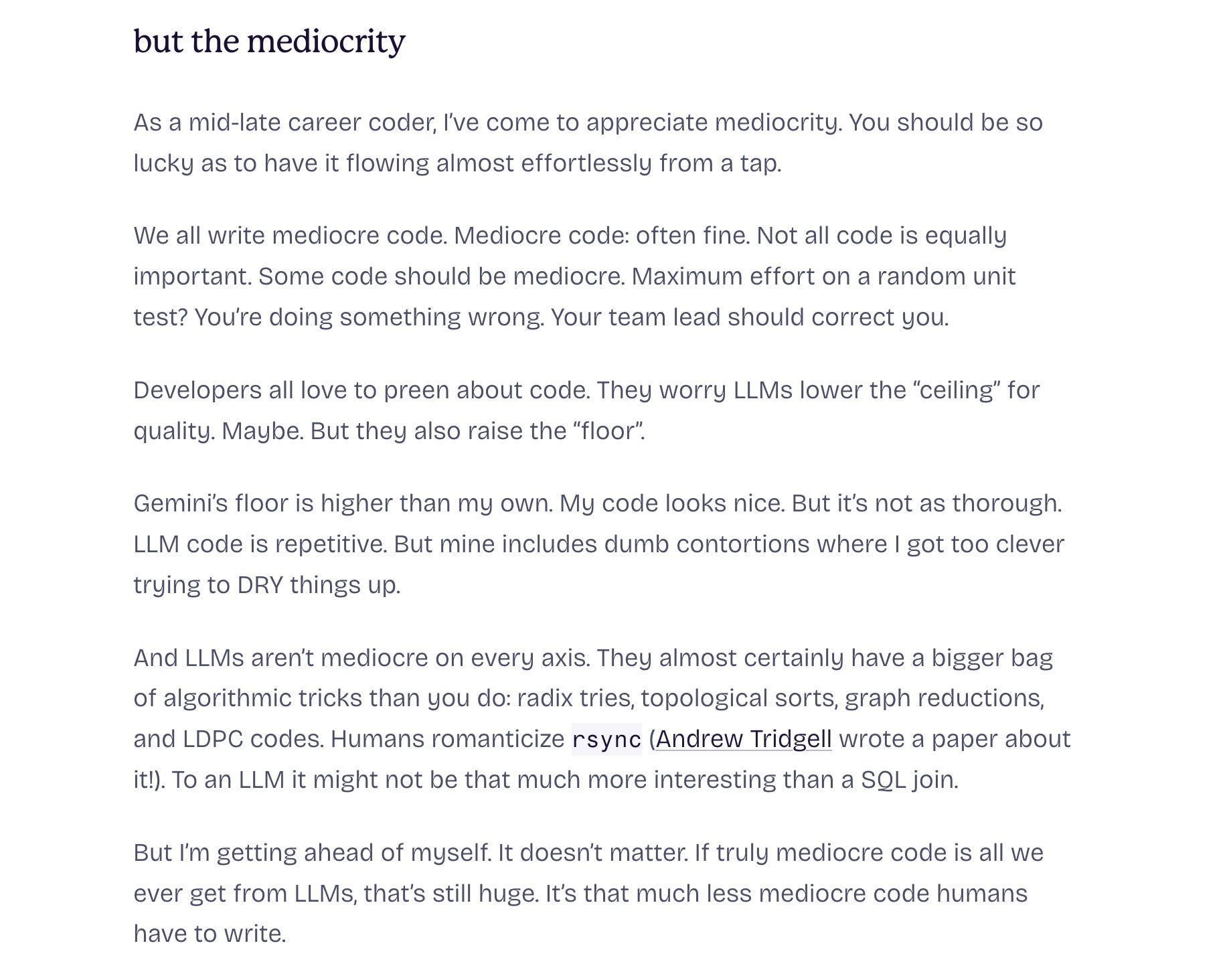
This one’s fun. The author just goes off on AI skeptics, saying stuff like, “My users don’t care about this.” “Why would I write code myself when AI can already do 70% of it?”
He absolutely dunks on the developer purist crowd. This paragraph was my fav: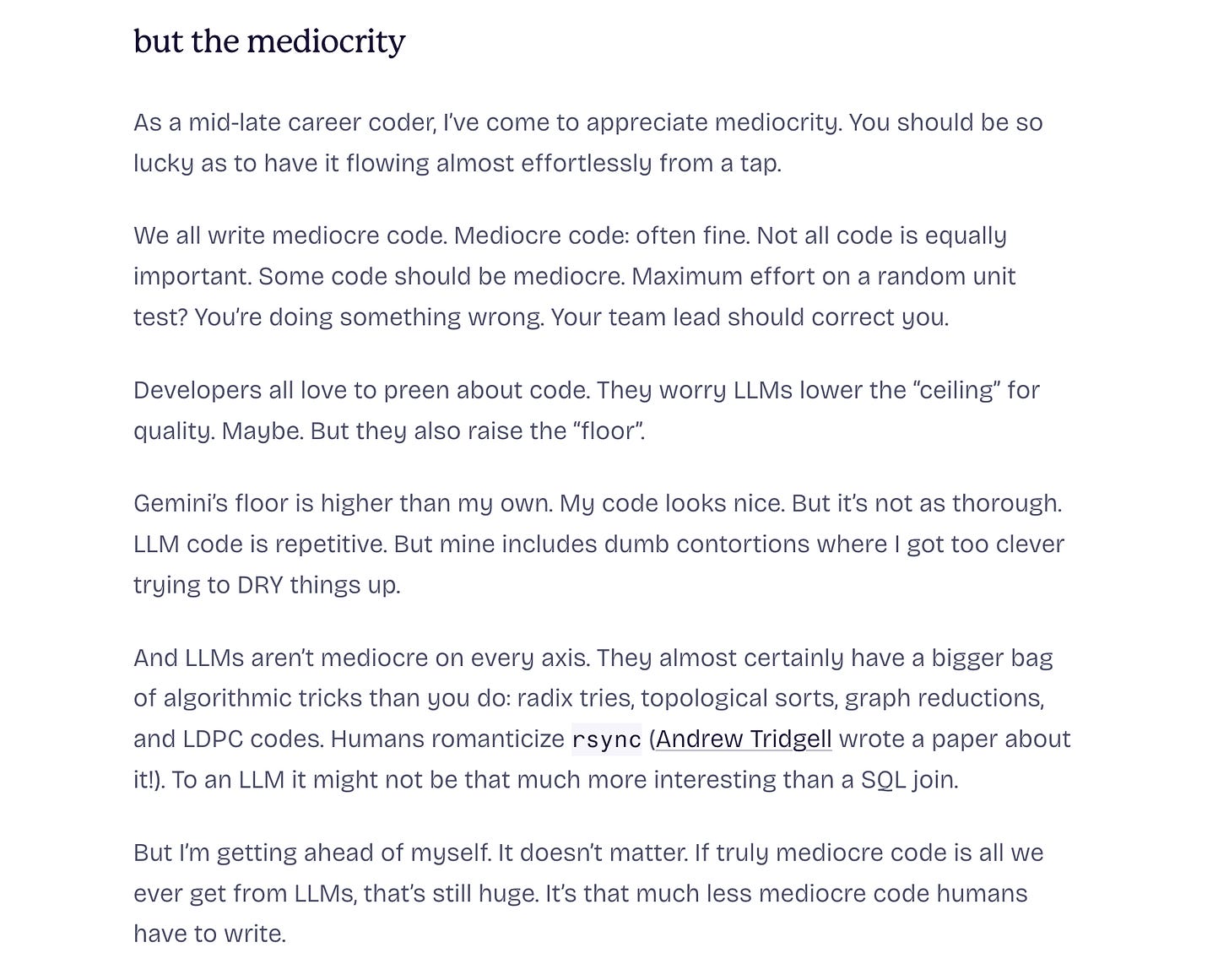
See you in a couple of days. Till then, maybe give Mirage a spin.
— tm
Nice